Anderson-Abruzzo International
Balloon Museum
A multi-surface system translating archival content into interactive exploration of hot air ballooning
INTERACTIVE DESIGN — SYSTEM DESIGN — MUSEUM INSTALLATION
Context
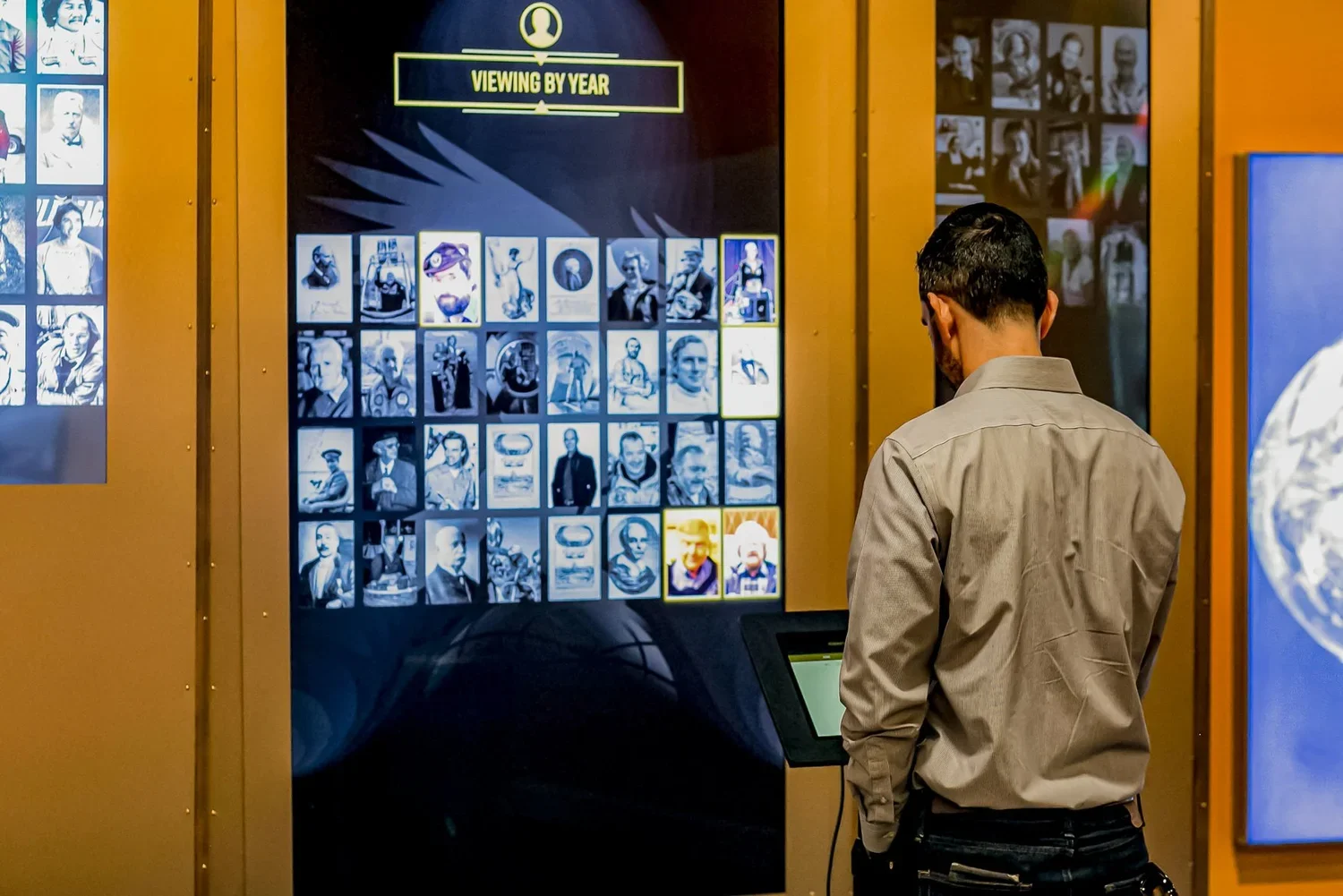
The museum required a system to present archival content across large-scale interactive displays, balancing accessibility with the complexity of historical material.
Existing formats limited engagement, with static displays failing to support exploration across physical space.
Problem
• Archival content lacked structure for interaction
• No cohesive system across display surfaces
• Interfaces disconnected from spatial experience
• Accessibility required across varied users and familiarity levels
Approach
System over surface
Built a unified framework connecting content, interface, and environment across
all displays
Interaction as navigation
Designed interaction as the primary method of exploration, reducing reliance on traditional UI
Scalable architecture
Established a system adaptable across installations, audiences, and evolving content
Execution
System Overview
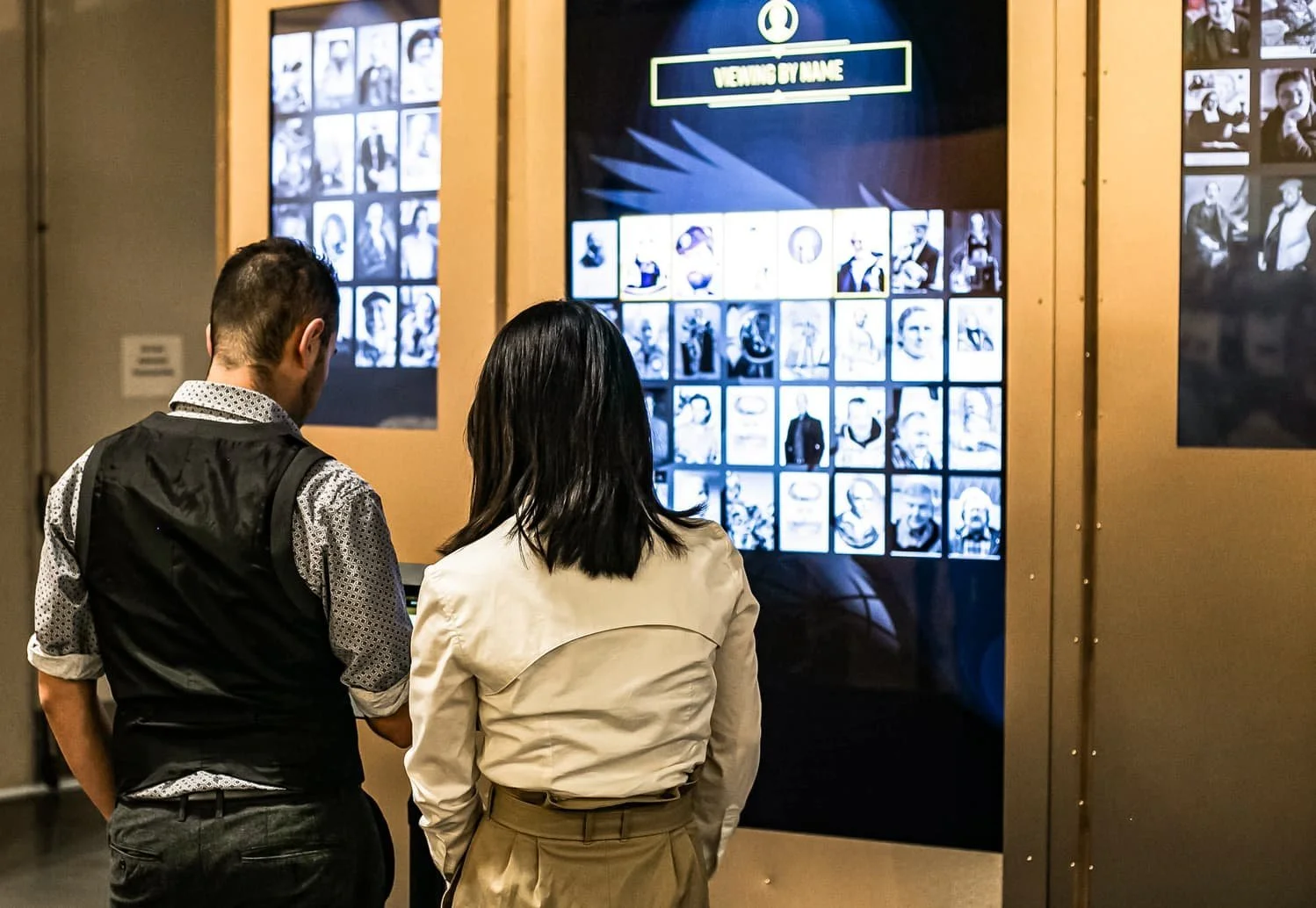
A unified interaction system designed to connect archival content, interface behavior, and physical space across multiple display surfaces.
Interaction as Navigation
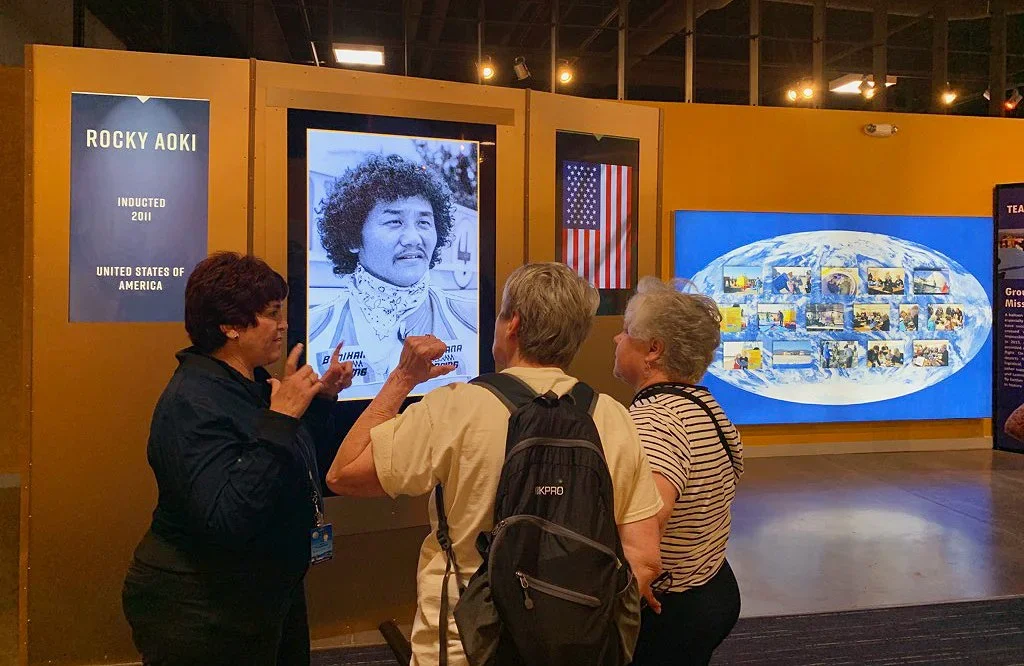
Interaction replaced traditional navigation, allowing users to explore archival content directly through touch and spatial context.
Content Structure
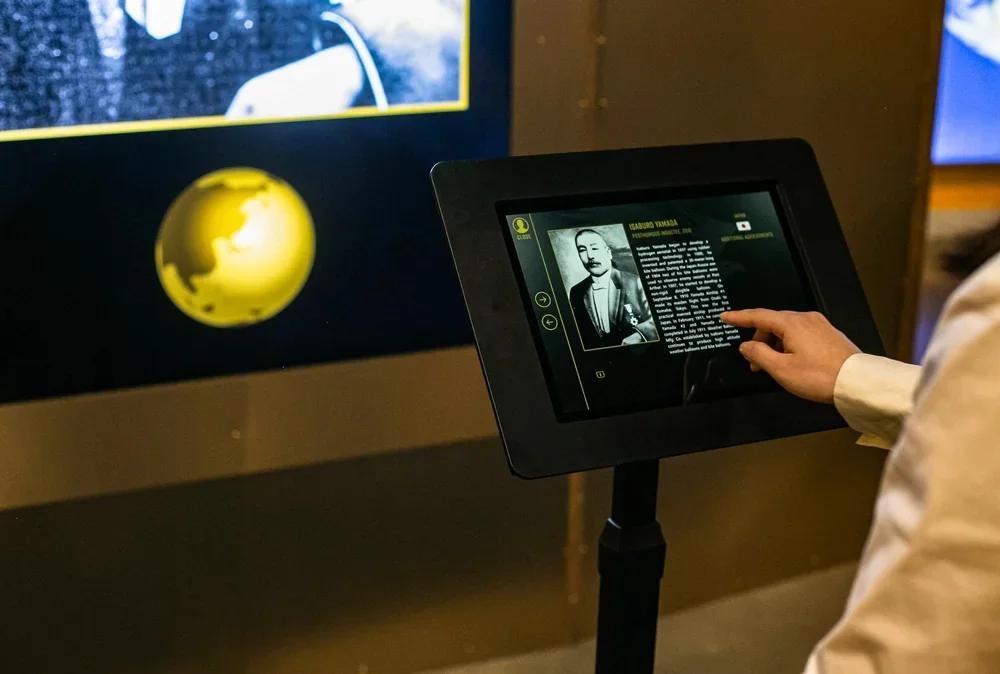
Content was organized into a flexible system that supports both high-level browsing and deep exploration, allowing users to move seamlessly between overview and detail.
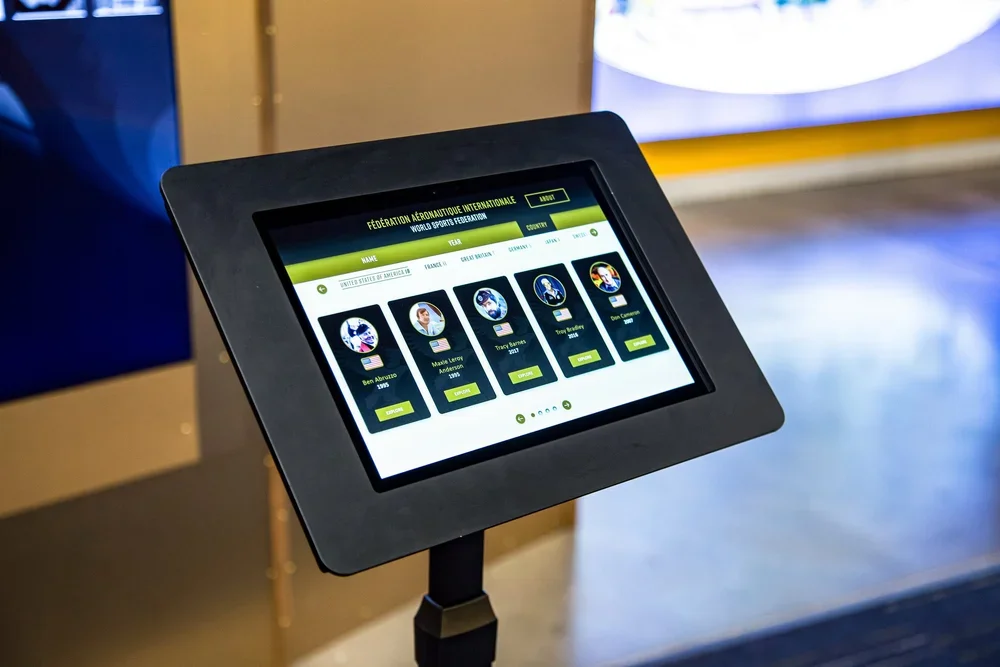
System Behavior
The system responds to user input, location, and context, adapting content and interface states across multiple displays. Interaction on one surface informs behavior on others, creating a continuous and connected experience.
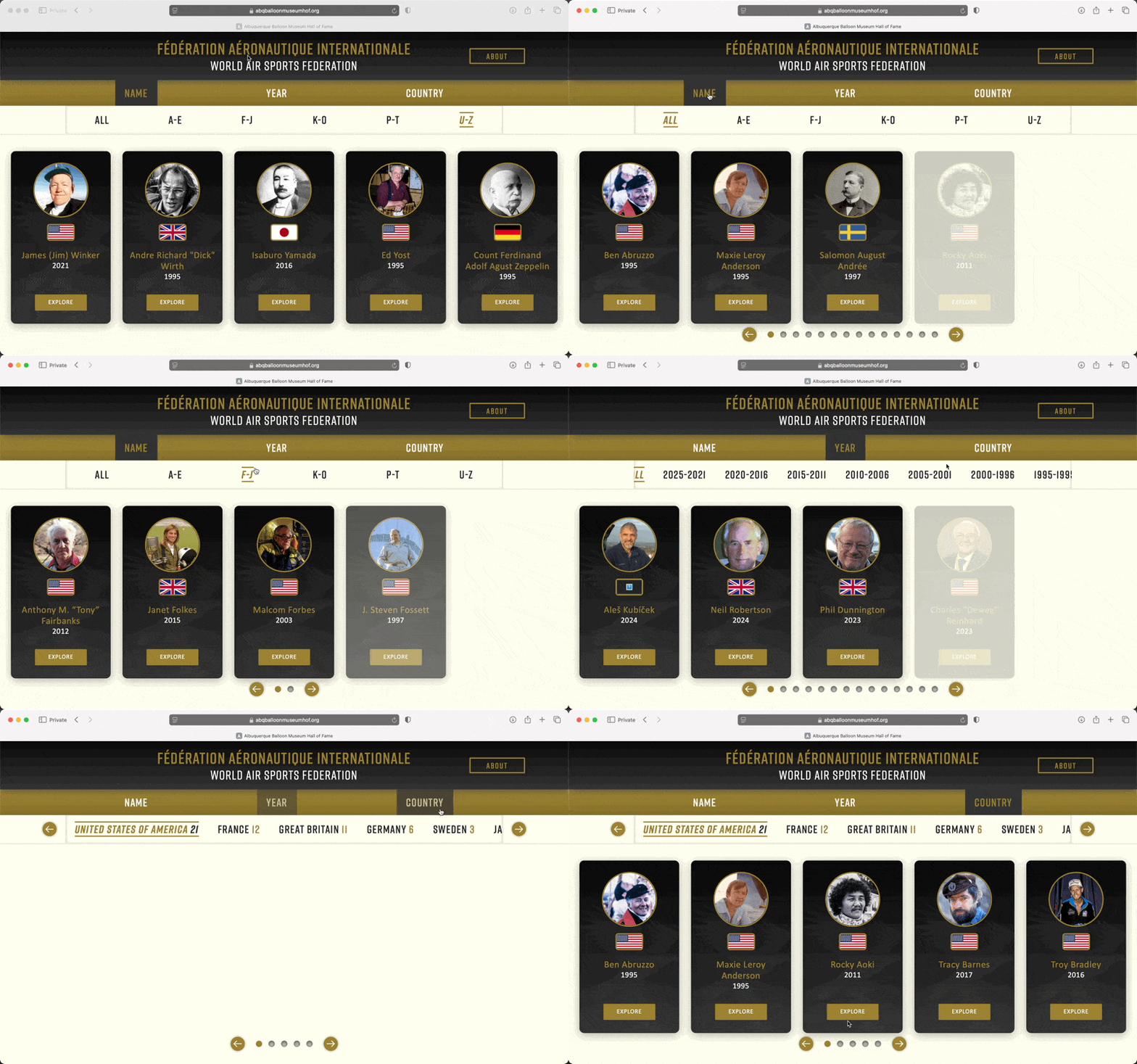
Impact
The system created a cohesive experience across multiple displays, improving accessibility and enabling users to explore archival content more intuitively.
By unifying content, interaction, and environment, the installation transformed static material into an interactive system that supports both casual discovery and deeper engagement.