Sherwin Miller Museum of Jewish Art
Designing a digital exhibition experience that supports reflection, historical understanding, and meaningful engagement with Jewish history, culture, and identity.
EXHIBITION DESIGN — CULTURAL STORYTELLING — INTERPRETIVE SYSTEMS
Context
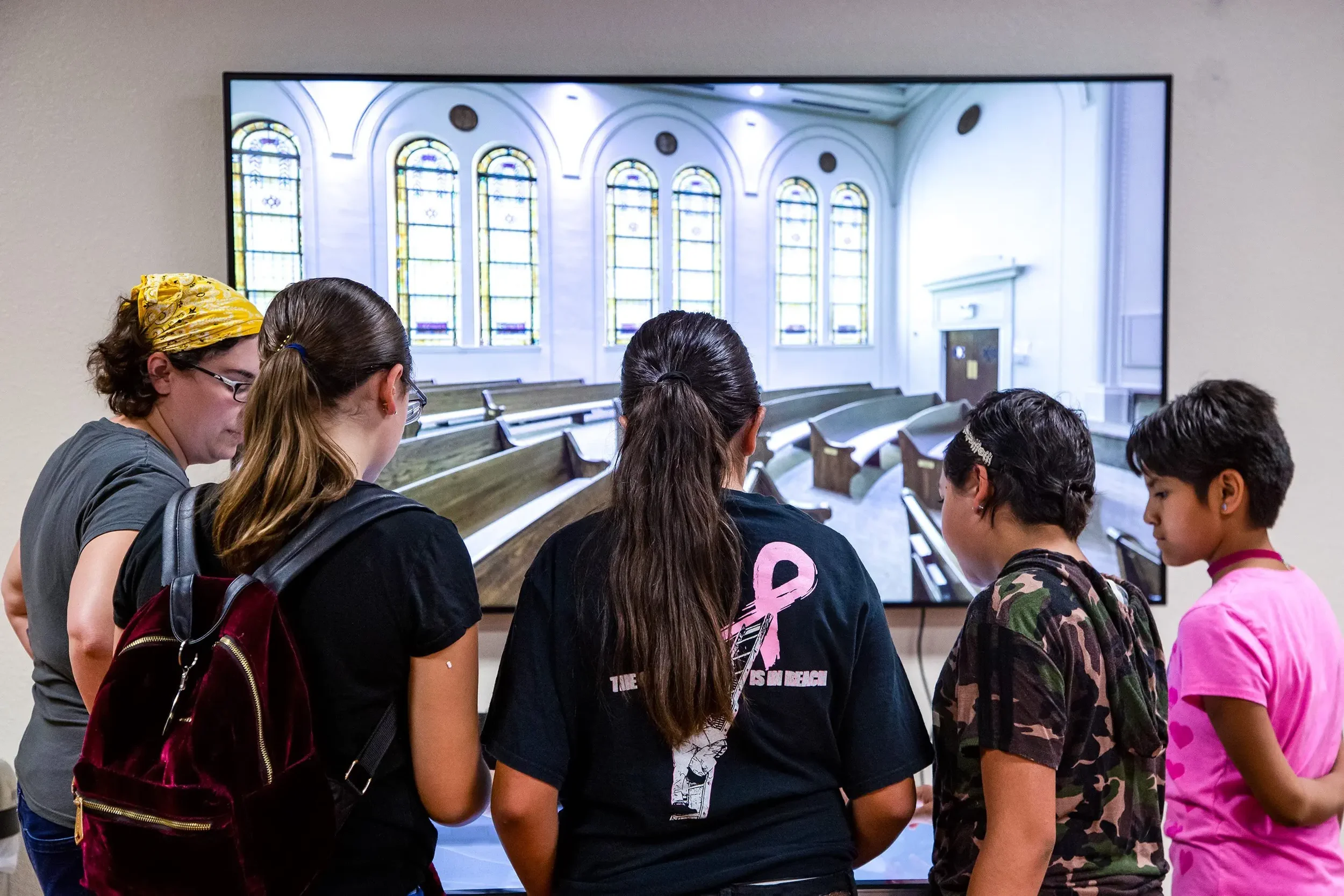
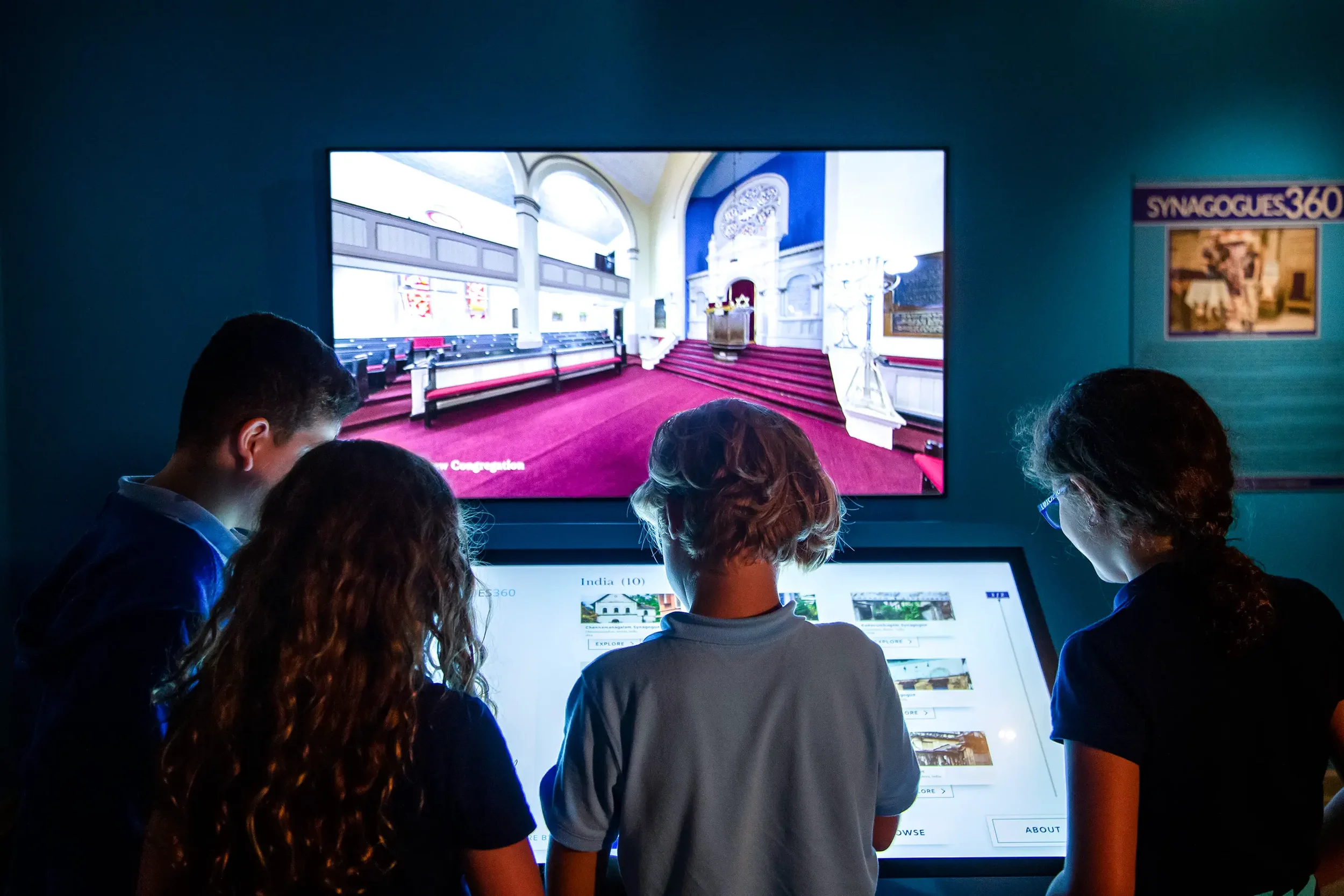
The Sherwin Miller Museum of Jewish Art required an interactive exhibition experience capable of presenting complex historical narratives with clarity, sensitivity, and accessibility.
The experience needed to support visitors with varying levels of historical knowledge while balancing educational depth with intuitive exploration across a public museum environment.
Problem
• Historical narratives required thoughtful pacing and structure
• Sensitive subject matter demanded clarity without oversimplification
• Diverse archival material needed a consistent interpretive framework
• Visitors entered with varied backgrounds and familiarity
• The experience needed to encourage exploration while respecting the emotional weight of the content
Approach
Narrative before interface
The interaction design was developed to support the story rather than compete with it, allowing historical content to remain the primary focus throughout the experience.
Guided exploration
Information was organized into clear, approachable pathways that encouraged visitors to explore at their own pace while maintaining historical context.
Respectful interaction
Typography, pacing, motion, and interface behavior were intentionally restrained to create an experience that felt thoughtful, accessible, and appropriate for the subject matter.
Execution
Narrative Structure
Historical content was organized into a modular system that balanced chronology, personal stories, archival media, and interpretive context.
The experience allows visitors to move naturally between broad historical themes and individual stories without losing continuity.
Archival Integration
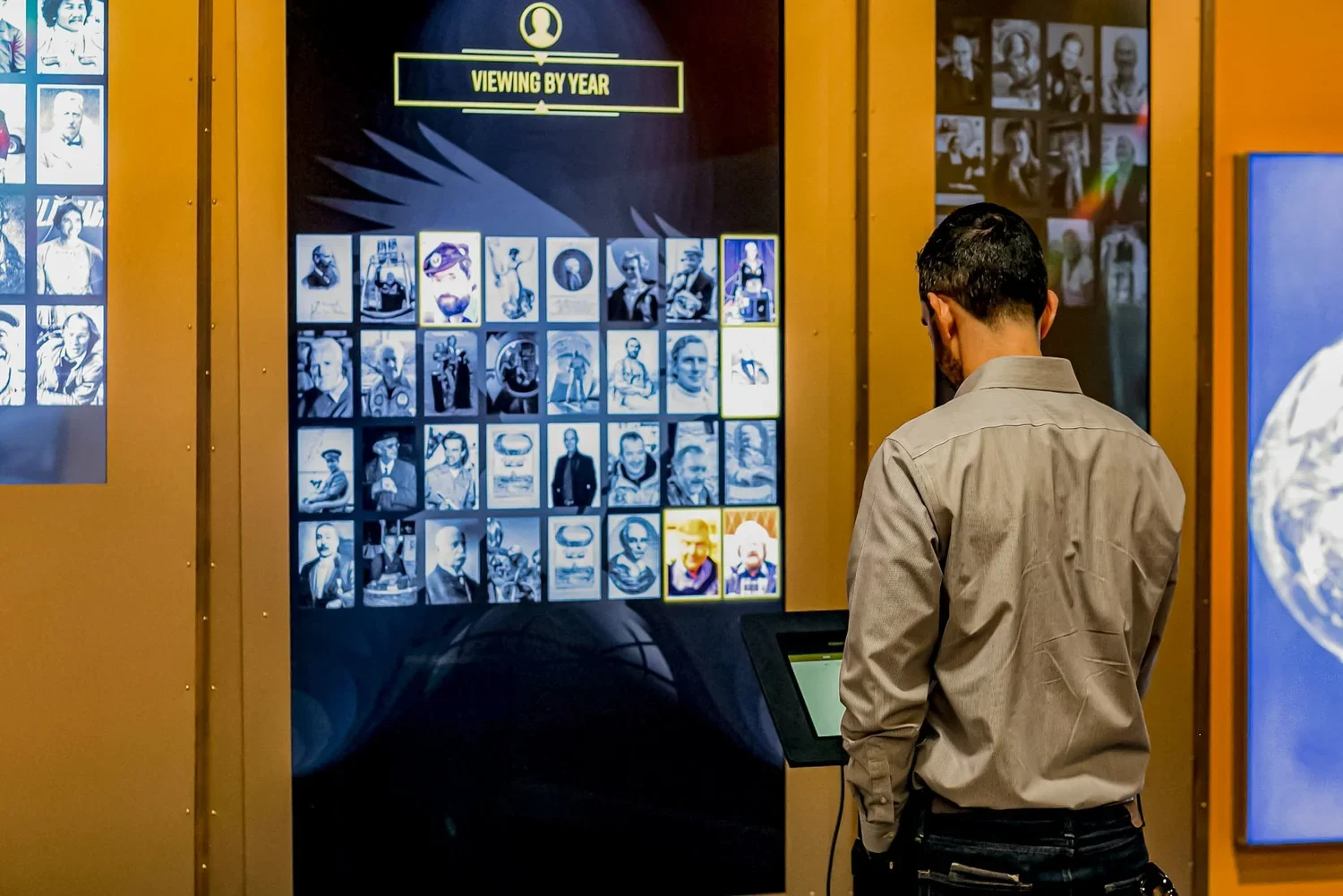
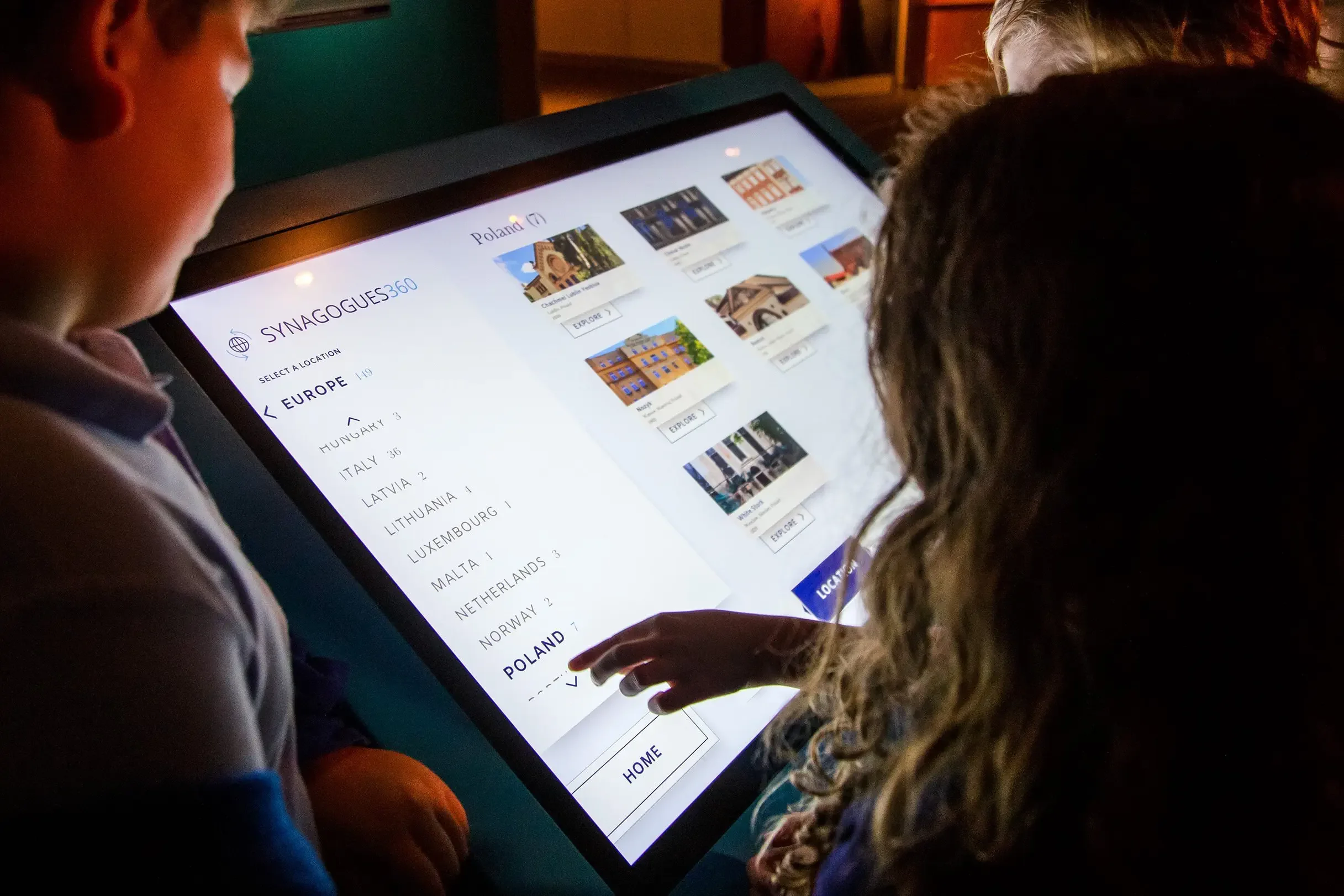
Photographs, historical documents, artifacts, and supporting media were brought together within a unified digital framework that preserved authenticity while improving accessibility.
Rather than presenting isolated artifacts, the interface connects materials into a cohesive historical narrative.
Exhibition Interface
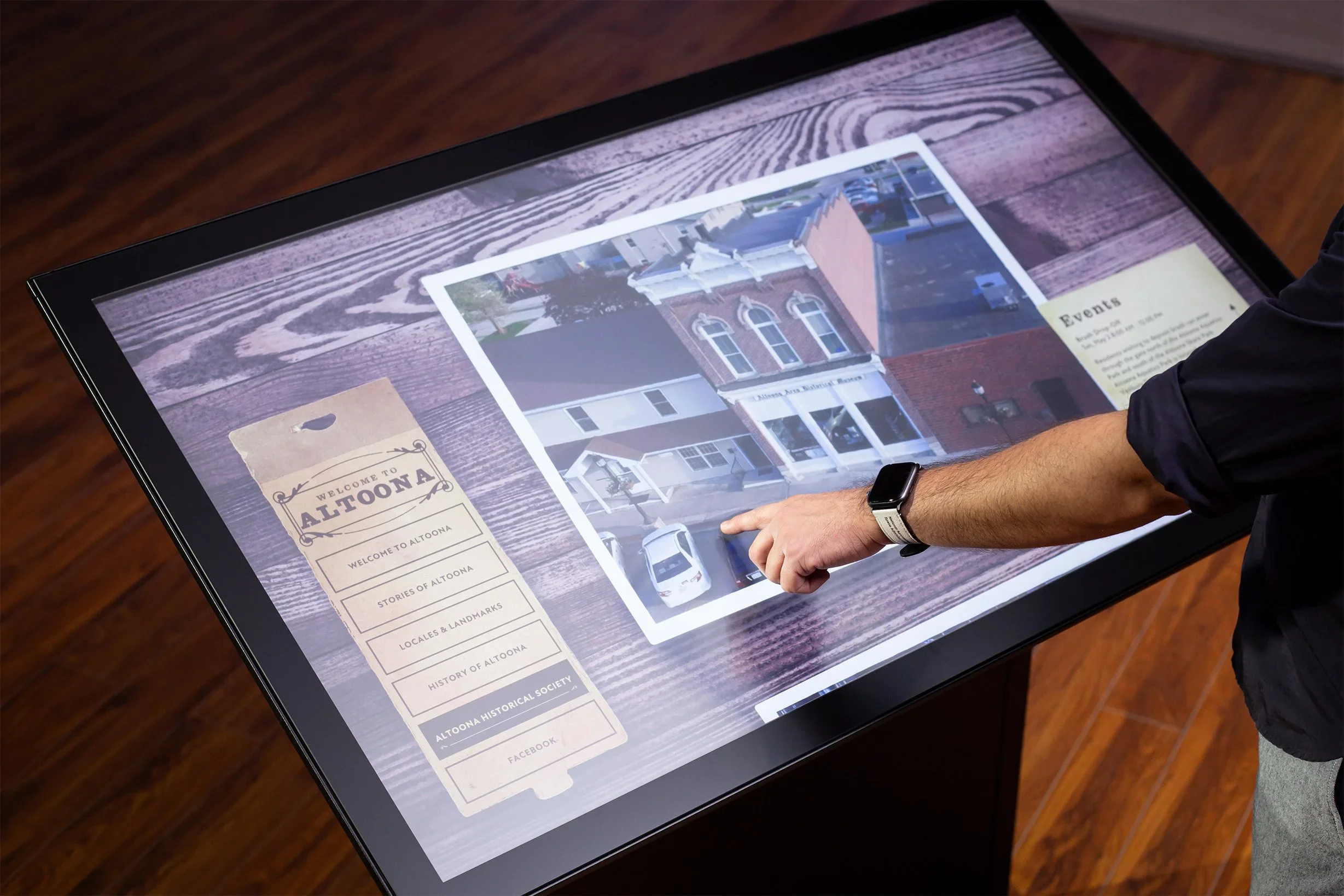
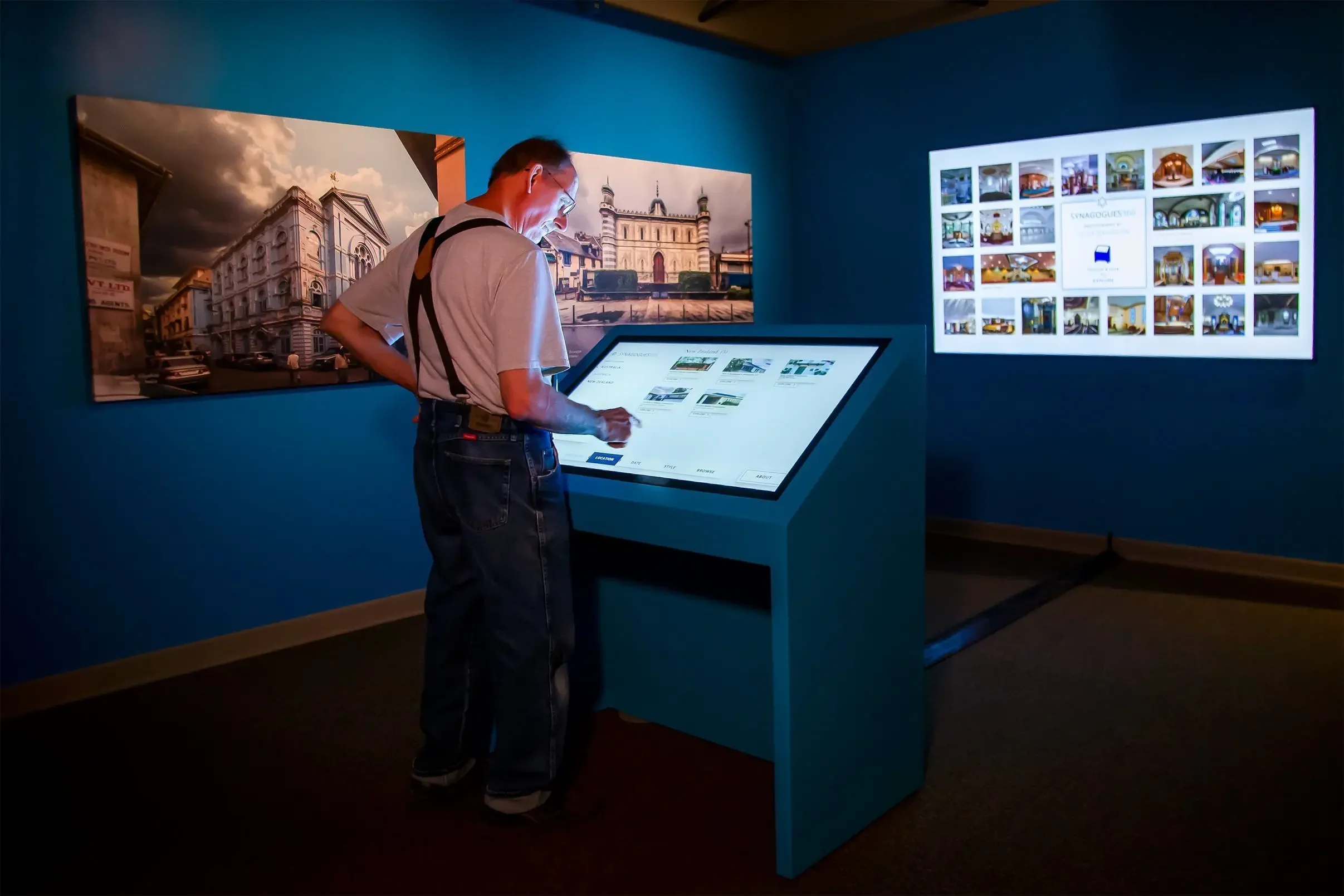
The interface emphasizes readability, generous spacing, and intuitive navigation, allowing visitors to focus on the content rather than learning the interface itself.
Every interaction was designed to support reflection rather than distraction.
System Behavior
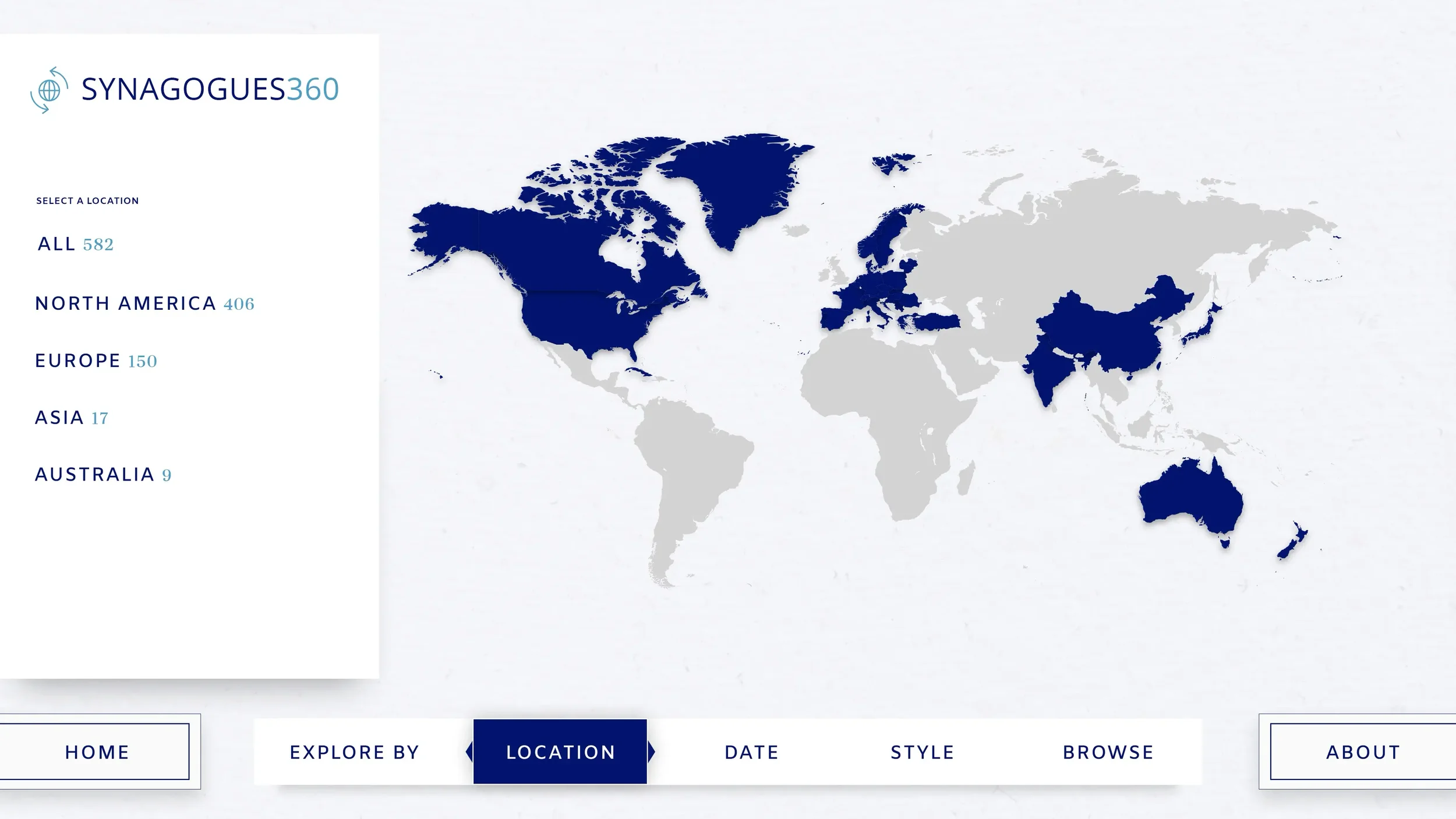
The experience adapts to different visitor interests by allowing multiple paths through the exhibition while maintaining narrative continuity.
Whether visitors engage briefly or explore in greater depth, the system preserves context and encourages meaningful discovery rather than passive consumption.

Impact
The final experience transformed a diverse collection of historical material into a coherent digital exhibition that supports education, reflection, and cultural understanding.
By connecting archival content, interpretive storytelling, and intuitive interaction, the project helps visitors engage with complex history in a way that is accessible, respectful, and memorable.